
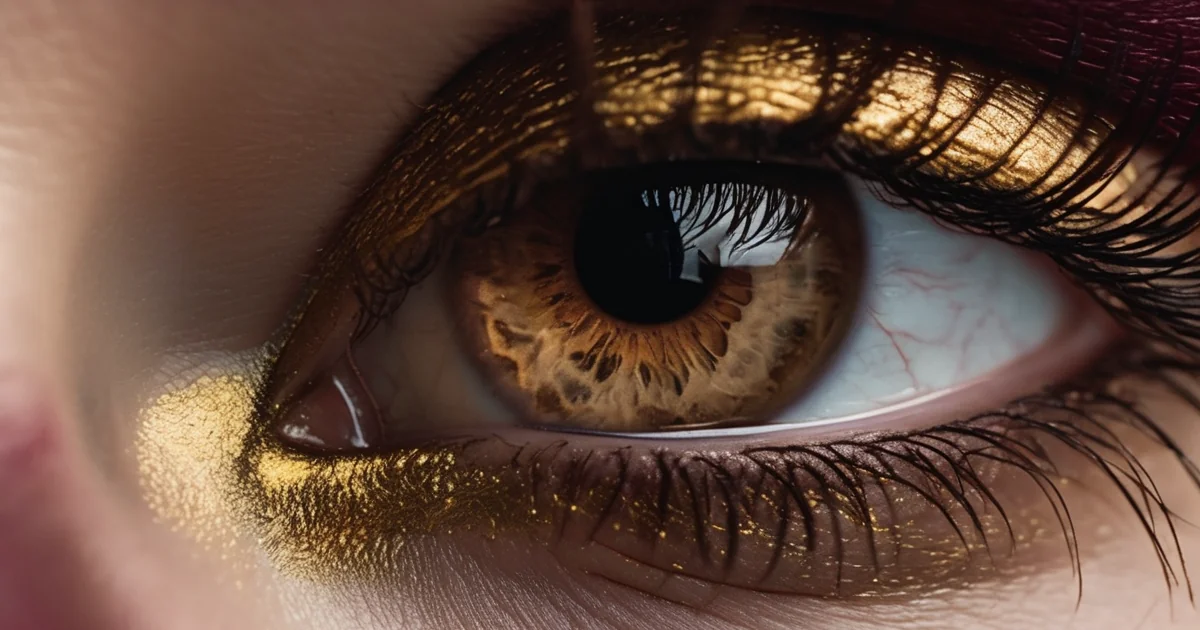
Most people are reasonably good at managing what they say. Almost no one can fully control their face.
Microexpressions are the involuntary, fleeting facial expressions that flash across a person's face in a fraction of a second — typically between 1/15 and 1/25 of a second — before the conscious mind can suppress them. They are the emotional truth that escapes before the social mask is in place.
Paul Ekman, the psychologist who identified and documented microexpressions across five decades of research, found that these expressions are universal across human cultures — the same configurations of facial muscles producing the same emotions whether the person was raised in New York or an isolated tribe in Papua New Guinea. They are not learned. They are biological.
Understanding microexpressions doesn't make you a mind reader. But it gives you access to a layer of emotional information that most people are broadcasting constantly — and that most observers miss entirely.
Why Microexpressions Happen
To understand microexpressions, you need to understand the two competing systems governing facial expression.
The voluntary system: The motor cortex controls deliberate, intentional facial movements — the smile you produce when someone asks for a photo, the serious expression you put on in a professional meeting. These expressions are consciously managed and can be staged or suppressed.
The involuntary system: The limbic system — the brain's emotional processing center — produces automatic, reflexive facial responses to emotional stimuli. This system operates significantly faster than conscious thought.
When a real emotion occurs — whether or not the person wants to display it — the limbic system fires first. If the person has reason to suppress or hide the emotion, the motor cortex intervenes and overrides the expression. But there is always a window — typically under 200 milliseconds — where the genuine emotional expression appears before suppression occurs.
That window is the microexpression.
The key implication: microexpressions reveal the emotion that was actually felt, not the emotion being performed. They are most valuable when there is a mismatch between what someone is saying or performing and what the microexpression reveals.
The 7 Universal Microexpressions
Ekman's research identified seven basic emotions that produce universal, cross-cultural facial configurations. Each has specific muscle group patterns.
1. Happiness
What it looks like: Raised cheeks, crow's feet wrinkles at the outer corners of the eyes, the corners of the mouth pulled back and upward. The key distinguishing feature of genuine happiness is the involvement of the orbicularis oculi — the muscle around the eye. This produces the eye-crinkling that characterizes a real ("Duchenne") smile vs. a performed one.
What to watch for: A smile where the eyes don't participate — where the lower face smiles but the area around the eyes remains still — is a voluntary performance, not genuine happiness. The microexpression of true happiness is almost impossible to fake because the orbicularis oculi is not under reliable voluntary control for most people.
For a detailed breakdown of how authentic smiling relates to attraction, see our signs of attraction body language guide.
2. Sadness
What it looks like: The inner corners of the eyebrows are drawn upward and together (a movement very few people can produce voluntarily — Ekman estimated fewer than 15% of people can control this muscle), the upper eyelid droops slightly, the corners of the mouth are pulled downward or the lip trembles.
Why it matters: Sadness microexpressions often appear during conversations about positive topics or during performed cheerfulness — revealing grief, loss, or disappointment that the person is working to conceal. They are also among the most diagnostically valuable for empathetic response: noticing a flash of sadness gives you the opportunity to respond to what's actually happening rather than what's being performed.
3. Anger
What it looks like: Brows pulled together and downward, vertical creases between the brows, upper eyelids tightened (a hard, narrowed gaze), lower lip pressed forward or lip corners pressed together.
The nuance: Anger microexpressions are extremely brief precisely because most socially functional people have strong inhibitions against displaying anger. A microexpression of anger during what appears to be a neutral or positive conversation is significant — it indicates genuine irritation or resentment that is being managed.
4. Fear
What it looks like: Eyebrows raised and drawn together (distinguishing it from surprise, where they raise but don't draw together), horizontal forehead wrinkles, upper eyelids raised exposing the whites of the eye above the iris, lower eyelid tensed, lips stretched horizontally.
Common context: Fear microexpressions frequently appear in conversations that touch on someone's insecurities, uncertain outcomes, or interpersonal threats — even when the person is outwardly projecting confidence. They can also appear in attraction contexts when someone is strongly drawn to another person and uncertain about the response.
5. Disgust
What it looks like: The nose wrinkler (nasalis muscle) contracts, raising the upper lip on one or both sides, producing the characteristic "curled lip" or wrinkling of the nose.
Social significance: Disgust is among the most revealing microexpressions because people rarely acknowledge feeling disgust toward social subjects. A microexpression of disgust during a discussion of a person, idea, or situation reveals genuine aversion that is not being acknowledged verbally.
6. Contempt
What it looks like: A unilateral expression — one corner of the mouth raised and pulled back slightly, creating a slight asymmetrical tightening. Contempt is the only asymmetric basic expression, which makes it identifiable.
Relationship significance: In couples research by John Gottman, contempt — revealed in facial expression, vocal tone, and gesture — is the single strongest predictor of relationship breakdown. A pattern of contempt microexpressions toward a partner predicts divorce with over 90% accuracy. Noticing it early, in yourself or a partner, is actionable information.
7. Surprise
What it looks like: Brows raised (but not drawn together, unlike fear), horizontal wrinkles across the forehead, upper eyelids raised, jaw drops slightly. Surprise is typically the briefest microexpression because it is immediately followed by another emotion (whatever the surprise prompts).
The diagnostic value: Genuine surprise lasts under half a second. A "surprised" expression that persists beyond a second is likely performed. The direction of the subsequent emotion after surprise also reveals the person's genuine reaction to the surprising information.
How to Actually See Microexpressions
Reading microexpressions in real-time requires training — they are designed by nature to escape detection. Most people miss them entirely without deliberate practice.
Step 1: Establish a Baseline
Before you can recognize meaningful deviations in someone's expression, you need to know what their face looks like in a neutral, unstressed state. Spend the first few minutes of any significant interaction simply noticing their default expression, their resting facial tone, and their normal response pattern.
Changes from that baseline are more significant than any absolute expression.
Step 2: Watch the Eyes and Upper Face
The lower face — particularly the mouth — is more easily controlled than the upper face. People who want to manage their emotional expression instinctively control the mouth area. The eyes, forehead, and brow region are considerably harder to suppress.
When someone's mouth says one thing and their eyes say another — particularly in the brief flash before the managed expression is in place — you are seeing the microexpression.
Step 3: Look for Asymmetry
Genuine emotions produce relatively symmetrical facial expressions (except contempt, which is inherently asymmetric). A heavily asymmetric smile — where one side of the face is significantly more engaged than the other — is typically voluntary rather than spontaneous. The voluntary motor system is less symmetric than the involuntary limbic system.
For the complete guide to body language reading beyond facial expression, see our body language improvement guide.
Step 4: Watch for Expression-Statement Mismatches
The highest-value signal is not the microexpression in isolation — it is the mismatch between the microexpression and what is being said or performed. Someone who says "I'm fine with that" while producing a brief expression of disgust or anger is giving you two contradictory pieces of information. The microexpression is typically the more accurate one.
Step 5: Practice With Video
Paul Ekman's training tools include slow-motion analysis of video footage — because at normal speed, microexpressions are extremely difficult to catch. Watching interview footage, debate footage, or even reality television in slow motion and identifying the expressions that flash through before the managed expression takes over builds the recognition skill rapidly.
Microexpressions in Attraction and Dating
For people interested in the relational application of microexpressions, there are several particularly useful patterns:
Genuine interest: A brief expression of happiness (including the eye-crinkle) when someone sees you or hears your name — even before their social smile is in place — indicates genuine pleasure at your presence. This is one of the most reliable early signals of attraction. For other involuntary attraction signals, see our eye contact and attraction guide.
Masked disappointment: If someone receives news about you (a new relationship, a promotion, a success) and you catch a brief expression of sadness or disappointment before their congratulatory expression appears, they likely have stronger feelings than they're showing.
Contempt patterns in conflict: In relationship conflict, noticing your own or a partner's contempt microexpressions is important data. Contempt — unlike anger, which still assumes the other person's basic worth — signals fundamental dismissal. It is the emotional expression that does the most relationship damage when unaddressed.
Nervous happiness: The brief flash of fear followed immediately by happiness when making eye contact is a common pattern in mutual attraction — particularly in the early stages when feelings are strong but unexpressed.
What Microexpressions Can and Cannot Tell You
They can tell you:
- What emotion was felt in a given moment
- Whether a performed emotion is genuine or staged
- When there is a significant gap between what someone is saying and what they're experiencing
They cannot tell you:
- Why the emotion was felt — context determines meaning
- What someone will do — feelings and choices are different things
- The full picture of someone's inner life from a single expression
A single microexpression of fear during a conversation doesn't mean the person is afraid of you. It might mean they're afraid of how you'll respond to what they're about to say, afraid of their own feelings, or processing anxiety about something entirely unrelated that happened earlier in the day.
Microexpressions are data points, not verdicts. They become meaningful in clusters, across time, and in the context of everything else you're observing.
Frequently Asked Questions
Q: Can you learn to read microexpressions accurately?
Yes — but it requires deliberate training. Ekman's research found that most people are only slightly better than chance at detecting genuine vs. performed emotion without training. With targeted practice (particularly slow-motion video analysis), accuracy improves significantly. People Ekman called "natural lie detectors" — who score very high without training — are rare, roughly 1 in 400.
Q: Do microexpressions mean someone is lying?
Not necessarily. Microexpressions reveal hidden emotions — and people hide emotions for many reasons that have nothing to do with deception: social norms, self-protection, fear of judgment, professional appropriateness. A microexpression of sadness during a professional meeting doesn't mean the person is deceiving you; it means they're suppressing an emotional response they judged inappropriate to show. Lie detection requires convergent signals across multiple channels, not a single expression.
Q: Are microexpressions the same across cultures?
The seven basic emotions Ekman identified produce the same facial muscle configurations across all human cultures, including isolated populations with no exposure to Western media. This universality is what makes them biologically significant rather than socially learned. Display rules — when and whether to show emotions — vary by culture, but the underlying expressions do not.
Q: Can someone trained in microexpressions hide them from you?
Highly trained individuals — Ekman's research included some professional actors and experienced intelligence officers — can reduce microexpression frequency and duration with deliberate practice. But complete suppression across an entire interaction is essentially impossible. The limbic system fires faster than voluntary control can fully intercept, and sustained suppression requires cognitive resources that compete with normal conversation.
Q: Is reading microexpressions manipulative?
Using observational skill to understand another person's actual emotional state — as opposed to their performed state — is not inherently manipulative. Whether you use that understanding to respond more empathetically or to exploit the person's vulnerability is the ethical question. The skill itself is neutral. In relationships, it primarily serves connection: noticing that someone is more hurt or afraid than they're showing allows you to respond to what's actually happening.
Conclusion
Microexpressions are not tricks or tell-tale signs that expose people as liars. They are the most honest layer of human communication — the emotional signal that escapes before the social filter catches it.
Learning to see them is not about catching people out. It is about developing a deeper, more accurate perception of emotional reality — your own and others'. The person who is performing confidence while feeling fear, the partner who flashes contempt they don't acknowledge, the love interest whose brief smile reaches their eyes before they look away — all of them are telling you something true.
You just have to be paying the right kind of attention.
→ Download Free: Body Language Cheat Sheet — 21 Attraction Signals Decoded
References: Ekman P. (2003). Emotions Revealed. | Ekman P, Friesen WV. (1969). Nonverbal leakage and clues to deception. Psychiatry. | Gottman JM. (1994). What Predicts Divorce. | Duchenne de Boulogne GB. (1862). The Mechanism of Human Facial Expression. | Frank MG, Ekman P. (1997). The ability to detect deceit generalizes across different types of high-stake lies. Journal of Personality and Social Psychology.




0 Comments
Leave a Comment
Your email won't be published. Comments are moderated.
No comments yet. Be the first to share your thoughts!