
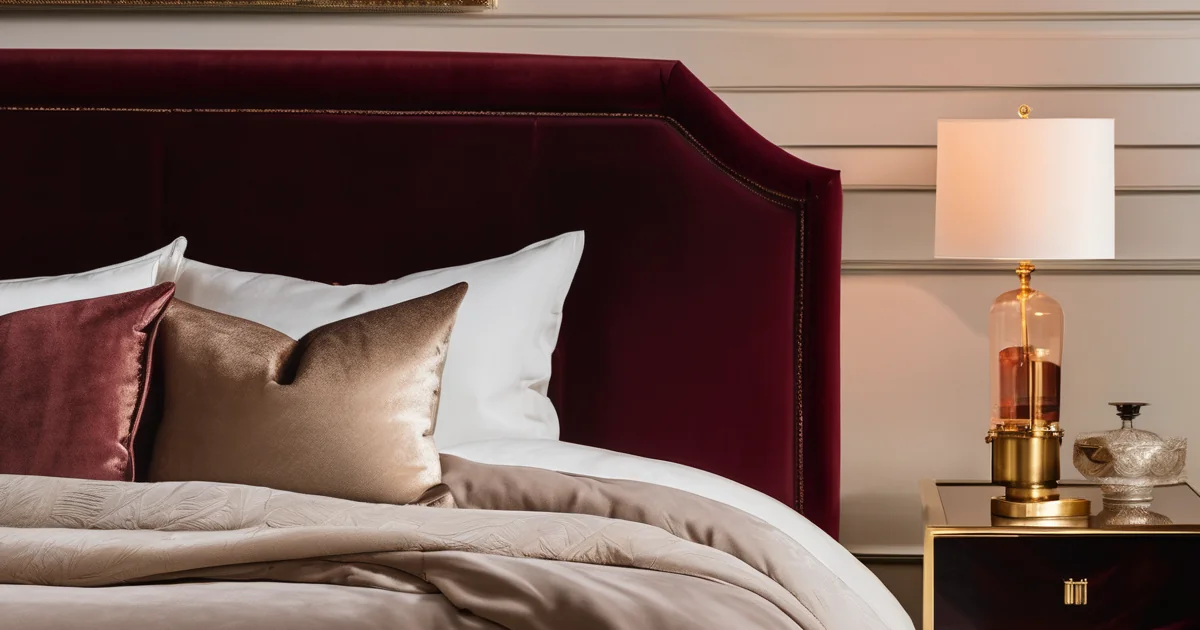
Sleep is the single highest-leverage health behavior available to you — and the most consistently underestimated.
During sleep, the brain clears metabolic waste, consolidates memory, regulates emotional response, repairs tissue, calibrates hormone levels, and resets the dopamine system that governs motivation, attraction, and desire. Every other wellness practice you could do — exercise, nutrition, meditation, cold exposure — works better when your sleep is right. Most of them fail to compensate when it isn't.
This guide covers what actually disrupts sleep quality, and the specific changes — ranked by evidence and impact — that restore it.
The Difference Between Sleep Duration and Sleep Quality
Most sleep advice focuses on duration: "get 7–9 hours." But people who lie in bed for 9 hours and wake exhausted are not experiencing a duration problem. They're experiencing a quality problem.
Sleep quality refers to the architecture of your sleep — the proportion of time spent in each stage, the depth of slow-wave sleep (SWS) and REM sleep, and the number of micro-awakenings that fragment the cycle without necessarily bringing you to full consciousness.
You can sleep 8 hours and get very little of the slow-wave and REM sleep that provide cognitive restoration, emotional regulation, and physical repair. You can sleep 6.5 hours with excellent architecture and wake genuinely restored.
The goal is not maximum time in bed. It is maximum time in restorative sleep stages.
The Sleep Architecture You're Optimizing For
Sleep occurs in 90-minute cycles, each containing:
Stage 1 (N1): Light sleep. The transition from wakefulness. Easily disrupted.
Stage 2 (N2): The largest portion of total sleep time. Body temperature drops, heart rate slows. Sleep spindles — bursts of neural activity — occur here and are associated with memory consolidation.
Stage 3 (N3 / Slow-Wave Sleep): Deep sleep. The most physically restorative stage. Growth hormone is released. The glymphatic system clears metabolic waste from the brain. Immune function is restored. This stage predominates in the first half of the night and is most sensitive to alcohol, late eating, and high core body temperature.
REM (Rapid Eye Movement): Dreaming sleep. Emotionally restorative, critical for creative problem-solving and emotional memory processing. Predominates in the second half of the night — which is why truncating sleep in the early morning hours disproportionately cuts REM.
The most common quality problems are insufficient SWS (disrupted by alcohol, temperature, and stress) and insufficient REM (disrupted by early alarms, alcohol in the second half of sleep, and certain medications).
What Actually Disrupts Sleep Quality
1. Alcohol
Alcohol is the most consistently misunderstood sleep disruptor. Because it induces drowsiness and reduces sleep onset time, it is widely used as a sleep aid — but it severely degrades sleep quality.
Alcohol suppresses REM sleep in the first half of the night. As it metabolizes in the second half, it causes a "rebound" of lighter sleep and micro-awakenings. The result: more total time asleep, less time in restorative stages, and morning fatigue despite adequate duration.
Even moderate alcohol consumption (1–2 drinks) within 3 hours of sleep measurably reduces sleep quality by 24% according to data from large-scale wearable studies (Pietilä et al., 2018).
2. Blue Light and Screen Use Before Bed
Light in the blue wavelength range (460–480 nm) suppresses melatonin production via melanopsin receptors in the retina. Melatonin is not primarily a sleep inducer — it is a darkness signal that shifts the body into sleep-preparation mode. Suppressing it delays both sleep onset and the temperature drop that follows.
The 90 minutes before bed is the highest-impact window for blue light avoidance. This means screens (phones, laptops, TVs) are among the most potent disruptors of natural sleep onset.
3. Core Body Temperature
The body must drop its core temperature by approximately 1°C (1.8°F) to initiate and maintain sleep. A bedroom that's too warm — above 19°C / 66°F — actively resists this process. Many people who believe they have insomnia have a thermal problem.
4. Caffeine Half-Life
Caffeine's half-life in most adults is 5–7 hours. This means a coffee at 2pm leaves 50% of its caffeine in your system at 7–9pm. The quarter-life persists through midnight. Caffeine consumed after 12–1pm measurably reduces deep sleep quantity even when it doesn't prevent sleep onset — you fall asleep but spend less time in N3.
5. Chronic Stress and Cortisol
Cortisol is a morning hormone that prepares the body for activity. When chronic stress keeps cortisol elevated in the evening, it competes with the natural wind-down process. This is one of the primary reasons stress produces poor sleep even when you're exhausted: the nervous system is physiologically configured for vigilance, not rest.
The Evidence-Ranked Interventions
1. Consistent Sleep and Wake Times (Highest Impact)
The single most effective behavioral intervention for sleep quality is keeping your sleep/wake time consistent — including weekends.
The suprachiasmatic nucleus (the brain's master clock) calibrates all your biological rhythms — hormone release, temperature cycles, digestive timing — to a 24-hour pattern derived from your consistent wake time. Varying your schedule by even 90 minutes on weekends produces "social jet lag" — a measurable disruption in circadian timing that degrades sleep quality for the following week.
Apply: Choose a wake time and hold it ±20 minutes, 7 days a week, for 2 weeks. Most people see significant improvement in sleep onset time and morning restoration within the first week.
2. Temperature Optimization
Cool your sleeping environment to 16–19°C (60–67°F). This is the single fastest physical intervention with results the first night.
If cooling the room isn't possible: cooling socks or cooling the extremities (hands, feet) accelerates core temperature drop because the extremities are the body's primary heat-dissipation surface. A warm bath or shower 1–2 hours before bed also works paradoxically well — the subsequent heat loss from the skin surface after the bath accelerates core cooling.
3. Morning Bright Light Exposure
Getting 10–30 minutes of direct sunlight (or bright outdoor light) within the first 60 minutes of waking is one of the most powerful sleep quality interventions available. It does two things:
- Firmly anchors your circadian clock to the current day cycle
- Initiates a cortisol pulse at the correct time — which means cortisol falls appropriately in the evening
The morning light signal is the upstream cause of good evening melatonin release and appropriate sleep timing. For the complete relationship between light, dopamine, and energy, see our guide to increasing dopamine naturally.
4. Magnesium Glycinate Before Bed
Magnesium is involved in hundreds of enzymatic processes including GABA regulation — the primary inhibitory neurotransmitter that produces the brain-quieting necessary for sleep. Studies show that magnesium supplementation improves sleep quality, sleep efficiency, sleep time, and early morning awakening in populations with low baseline magnesium levels (Abbasi et al., 2012).
Magnesium glycinate (not oxide) is best absorbed and gentlest on the stomach. 200–400mg taken 30–60 minutes before bed. Available on iHerb at significantly lower cost than pharmacy pricing. (Affiliate link.)
5. No Caffeine After 12pm
Strict — but produces rapid measurable improvement in deep sleep quantity for most people within 2–3 days. If you currently drink afternoon coffee and have poor sleep quality, this single change will likely produce the largest single-intervention improvement available.
For the full relationship between caffeine, adenosine, and energy levels, see our guide to how to have more energy.
6. Avoid Alcohol Within 3 Hours of Sleep
Not necessarily eliminating alcohol — but timing it earlier. If you drink, finish at least 3 hours before your planned sleep time to allow initial metabolism before the sleep-architecture disruption window.
7. Create a Wind-Down Routine (90-Minute Window)
The transition from high cognitive activity to sleep is not instantaneous for most people. A 90-minute buffer period — progressively lower stimulation, lower light, lower mental engagement — trains the nervous system to begin its sleep preparation.
The routine doesn't need to be elaborate. The key elements:
- Dim lighting (or warm-toned lighting) after 9pm
- No screens or blue-light filter on after 9pm
- No high-stakes cognitive work (email, problem-solving, planning) in the final hour
- A repeating closing ritual — the same sequence of small actions — that signals "sleep is next"
8. The 4-7-8 Breathing Technique
For people who lie awake with racing thoughts, physiological approaches are often more effective than cognitive ones. The 4-7-8 technique: inhale for 4 counts, hold for 7, exhale for 8. The extended exhale activates the vagal brake — the parasympathetic pathway that produces physical calm.
Three cycles, performed lying down in the dark, reduce measurable physiological arousal within minutes.
9. Restrict Time in Bed to Sleep (Sleep Restriction Therapy)
Counterintuitive but highly effective: if you're spending 9 hours in bed but only sleeping 6, the bed has become associated with wakefulness and anxiety. Temporarily restricting time in bed to just slightly above your actual sleep time — then gradually extending as sleep consolidates — is the core of CBT-I (Cognitive Behavioral Therapy for Insomnia), which is more effective than sleeping medication in RCTs.
10. Address Chronic Stress at the Root
The most common reason for sustained poor sleep quality is chronic psychological stress — a nervous system that never fully exits high-alert mode. Behavioral sleep hygiene improves things at the margins; the chronic stress remains.
For people with stress-driven sleep disruption, approaches with the strongest evidence:
- Mindfulness-based stress reduction (MBSR) — 8-week structured program with robust evidence for sleep improvement
- Journaling — specifically writing down tomorrow's tasks and worries before bed, externalizing them from the mind
- Therapy — particularly for anxiety and rumination patterns that dominate the pre-sleep window
The Calm app offers guided sleep meditations and sleep stories that many people find effective for managing the pre-sleep mental state. (Affiliate link.)
For a broader protocol for resetting energy, dopamine, and sleep together, our complete dopamine detox guide covers the full system.
The 7-Day Sleep Quality Reset
| Day | Primary Change |
|---|---|
| 1 | Set fixed wake time. Hold it every day this week regardless of when you fall asleep. |
| 2 | Set bedroom temperature to 16–18°C. No caffeine after 12pm. |
| 3 | 10–30 min bright light exposure within 60 min of waking. |
| 4 | Establish a 90-min wind-down routine. Dim lights after 9pm. No screens after 9:30pm. |
| 5 | Begin magnesium glycinate 300mg 45 min before bed. |
| 6 | No alcohol within 3 hours of sleep. |
| 7 | Add 4-7-8 breathing as part of wind-down. Review what's changed. |
By day 7, the combination of these changes — each modest in isolation — produces a meaningful shift in sleep quality for most people. The wake time is the most critical; don't skip it.
Sleep and Attractiveness: The Connection
This is a wellness site grounded in relationship psychology, so it's worth naming the direct connection: sleep quality is one of the most significant drivers of physical attractiveness and social magnetism.
A study published in SLEEP (Axelsson et al., 2010) asked raters to assess attractiveness and healthiness of individuals photographed after normal sleep vs. sleep deprivation. Sleep-deprived faces were consistently rated as less attractive, less healthy, and less approachable — regardless of makeup, grooming, or clothing.
The mechanisms are direct:
- Skin — collagen production and cellular repair occur primarily during slow-wave sleep
- Eyes — periorbital puffiness, dark circles, and redness are immediate visual signals of poor sleep
- Energy and presence — the quality of your attention and engagement in social interactions is dramatically lower when sleep-deprived
- Emotional regulation — the amygdala (emotional reactivity center) is 60% more reactive after poor sleep (Walker, 2017), producing sharper negative reactions and reduced empathy
Better sleep is not a peripheral vanity practice. It is one of the most direct investments in how you look, how you feel, and how you show up in every relationship in your life.
Frequently Asked Questions
Q: What is the best sleeping position for quality sleep?
Side sleeping (lateral position) is associated with better glymphatic clearance — the brain's waste-clearing process. Back sleeping is associated with snoring and worsened sleep apnea. Stomach sleeping strains the neck. If you have no breathing issues, any comfortable position you naturally fall into is fine. Position matters less than the other factors covered here.
Q: Does napping improve or worsen nighttime sleep?
Short naps (15–25 minutes) before 3pm have no measurable negative effect on nighttime sleep quality for most people and improve afternoon cognitive performance significantly. Naps longer than 30 minutes or taken after 3pm can reduce sleep drive (adenosine pressure) enough to delay nighttime sleep onset and reduce deep sleep. The "power nap" is real; the 2-hour afternoon nap is counterproductive for nighttime sleep.
Q: Why do I wake up at 3am and can't get back to sleep?
The most common causes: alcohol metabolism (rebound arousal as alcohol clears), cortisol beginning its morning rise too early (often associated with chronic stress or adrenal dysregulation), or blood sugar fluctuation. The 3am waking is particularly associated with alcohol — if you drink in the evening and wake at 3–4am, this is the mechanism. Eliminating evening alcohol is often the single intervention that resolves it.
Q: How does exercise affect sleep quality?
Vigorous exercise significantly improves sleep quality — particularly slow-wave sleep. The effect is strongest when exercise occurs in the morning or early afternoon. Evening exercise (within 2–3 hours of sleep) is more variable — for some people it improves sleep through physical fatigue; for others the post-exercise cortisol and temperature elevation delays sleep onset. Morning exercise is reliably positive. Evening exercise is individual.
Q: What's the difference between sleep aids like melatonin and sleep quality improvements?
Melatonin primarily improves sleep onset timing (how quickly you fall asleep and when) — it is most effective for circadian rhythm disruption (jet lag, shift work) rather than sleep quality per se. It does not directly improve deep sleep quantity. Magnesium glycinate, on the other hand, improves sleep architecture. For most people with poor sleep quality (not primarily an onset problem), magnesium is more effective than melatonin. Many people benefit from both: melatonin (0.5–1mg, not the 5–10mg doses commonly sold) for timing; magnesium for depth.
Conclusion
Sleep quality is not determined by willpower or intention — it is determined by the conditions you create for your biology.
The interventions that work aren't complicated: consistent timing, a cool and dark environment, the right relationship to light and caffeine, a genuine wind-down before bed. They work because they align your behavior with how the body's sleep system is actually designed.
Most people who "can't sleep well" are simply running contrary to their own biology. The changes here are corrections, not hacks.
Start with the fixed wake time. Add one change each day. Within a week, you will likely sleep in a way you haven't in years.
→ Download Free: 7-Day Energy Reset Protocol
References: Walker M. (2017). Why We Sleep. | Pietilä J, et al. (2018). Acute effect of alcohol intake on cardiovascular autonomic regulation during the first hours of sleep in a large real-world sample. JMIR Mental Health. | Abbasi B, et al. (2012). The effect of magnesium supplementation on primary insomnia in elderly. Journal of Research in Medical Sciences. | Axelsson J, et al. (2010). Beauty sleep: experimental study on the perceived health and attractiveness of sleep deprived people. BMJ. | Harvey AG. (2002). A cognitive model of insomnia. Behaviour Research and Therapy.




0 Comments
Leave a Comment
Your email won't be published. Comments are moderated.
No comments yet. Be the first to share your thoughts!