
Testosterone is one of the most misunderstood hormones in mainstream conversation.
It's often reduced to discussions of aggression, muscle, or masculinity — when the actual picture is far more nuanced and far more relevant to everyone, regardless of gender. Testosterone plays a critical role in energy, mood, cognitive function, libido, muscle synthesis, bone density, and a cluster of qualities that directly affect how attractive, vital, and confident a person appears and feels.
And while testosterone is influenced by age, genetics, sleep, and stress — diet has a documented, modifiable effect on testosterone levels that is significantly underutilized.
Why Testosterone Matters for Attraction (For Everyone)
Testosterone is not a male-only hormone. Both sexes produce it (women at roughly 10–15% of male levels), and it plays important roles in both:
In men: Primary driver of libido, energy, muscle mass maintenance, mood regulation, competitive drive, and the projection of confidence and vitality. Low testosterone in men is associated with fatigue, depression, reduced libido, loss of muscle mass, and cognitive fog.
In women: Contributes to libido, energy, assertiveness, confidence, and physical vitality. Women with healthy testosterone levels report greater drive, physical energy, and a general quality of aliveness that is reflected in their presence and social confidence.
The attraction connection: Research on testosterone and attraction finds:
- Higher testosterone in men is correlated with more symmetric facial features, deeper voice, and more confident physical presence — all of which are rated as attractive by women
- Higher testosterone in both sexes is associated with higher self-confidence, which affects non-verbal communication (posture, eye contact, unhurried movement)
- The quality of vitality and energy that testosterone supports is non-verbally legible — and universally attractive as a signal of biological health
The foods below have research support for genuinely affecting testosterone levels — not through pharmacological action, but by providing the precursors, cofactors, and hormonal building blocks the body needs to produce testosterone optimally.
The 12 Testosterone-Supporting Foods
1. Eggs (Particularly the Yolk)
Eggs are one of the most nutrient-dense testosterone-supporting foods available. The yolk specifically contains:
- Cholesterol: Testosterone is synthesized from cholesterol. The dietary cholesterol from eggs does not meaningfully raise serum cholesterol for most people (the liver adjusts production), but it does provide the raw material for steroidogenesis.
- Zinc: Critical for testosterone production; zinc deficiency directly suppresses testosterone synthesis.
- Vitamin D: One of the most important nutrients for testosterone; low vitamin D is consistently correlated with low testosterone.
- Saturated and monounsaturated fat: Research consistently shows that low-fat diets suppress testosterone production. Healthy dietary fat is required for optimal testosterone.
A 2021 review in Nutrients found whole egg consumption associated with higher testosterone compared to egg white consumption only — vindicating the whole egg.
2. Fatty Fish (Salmon, Mackerel, Sardines)
Omega-3 fatty acids, particularly EPA and DHA found in fatty fish, support testosterone through several mechanisms:
- Reduce SHBG (sex hormone binding globulin) — which when elevated "binds" testosterone and reduces free testosterone availability
- Support healthy cell membrane function in Leydig cells (the testicular cells that produce testosterone)
- Reduce systemic inflammation, which suppresses testosterone production
A 2021 study in Nutrients found that fish oil supplementation significantly increased testosterone levels in overweight men. For food-based intake, aim for 2–3 servings of fatty fish weekly.
3. Oysters
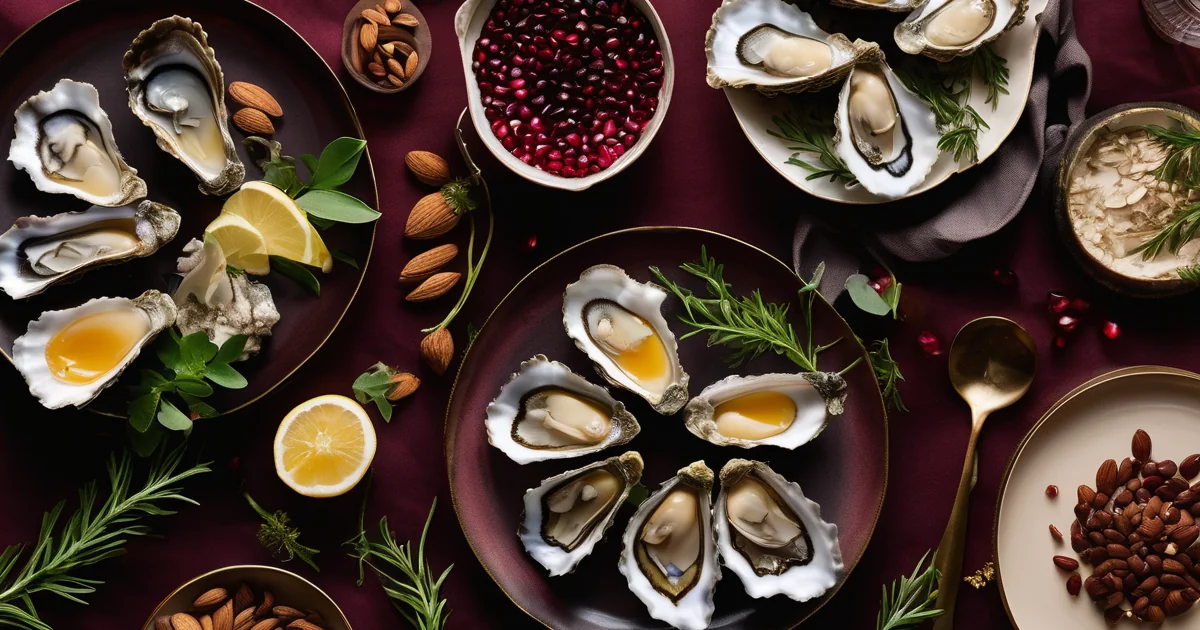
Oysters are the single highest dietary source of zinc — containing up to 74mg per 100g, compared to the RDA of 8–11mg. Since zinc is a rate-limiting cofactor for testosterone synthesis, oysters are among the most targeted testosterone-supporting foods available.
Research has found that testosterone levels rise significantly when zinc-deficient individuals restore adequate zinc through supplementation — suggesting that many people with suboptimal testosterone are simply zinc insufficient.
4. Beef (Grass-Fed)
Beef provides:
- Zinc (particularly red meat is among the best dietary zinc sources)
- Saturated fat (necessary for optimal testosterone production)
- L-carnitine (associated with improved testosterone receptor sensitivity)
- B12 (essential for overall hormonal health)
Grass-fed beef has a more favorable omega-6:omega-3 ratio compared to grain-fed, reducing inflammation that suppresses testosterone.
5. Pomegranate
One of the more surprising entries — pomegranate has notable research support for testosterone. A 2012 study found that drinking pomegranate juice daily for 2 weeks increased testosterone levels by an average of 24% — and also produced improvements in mood, blood pressure, and cardiovascular markers.
The mechanism appears to involve pomegranate's inhibition of aromatase (the enzyme that converts testosterone to estrogen) and its powerful antioxidant effect on testicular cells.
6. Avocado
Avocados are rich in:
- Monounsaturated fat (the fat most clearly associated with testosterone production)
- Boron — a trace mineral that a 2015 study showed increases free testosterone by reducing SHBG
- Vitamin E — an antioxidant that protects testicular cells from oxidative damage
7. Leafy Greens (Spinach, Kale, Swiss Chard)
Cruciferous and leafy greens support testosterone through their high magnesium content. Magnesium:
- Acts as a direct cofactor in over 300 enzymatic processes, including those involved in testosterone synthesis
- Reduces SHBG, increasing free testosterone availability
- Supports sleep quality (low magnesium is one of the most common causes of poor sleep — which dramatically suppresses testosterone)
A study in Biological Trace Element Research found that both athletes and sedentary individuals showed significant testosterone increases with magnesium supplementation.
8. Garlic
Garlic's active compound allicin has been documented to reduce cortisol in animal studies — and since cortisol and testosterone are inversely related (high cortisol suppresses testosterone production), cortisol reduction indirectly supports testosterone.
A 2001 study found that combined protein + garlic diet significantly increased testosterone levels in rats compared to protein alone. Human studies are less definitive but suggest a consistent direction of effect.
9. Ginger
Ginger has two documented pathways to testosterone support:
1. Reducing oxidative stress in testicular cells (protecting Leydig cell function)
2. Direct stimulatory effect on testosterone synthesis
A 2012 study in Tikrit Medical Journal found that 3 months of ginger supplementation increased testosterone by 17% in infertile men. Additional studies in animal models have consistently supported ginger's testosterone-elevating effects.
10. Olive Oil (Extra Virgin)
Extra virgin olive oil — the foundation of the Mediterranean diet — provides:
- Monounsaturated fat (directly used in steroidogenesis)
- Oleuropein — a polyphenol documented to increase testosterone in animal studies by up to 300% through stimulation of Leydig cells
A Moroccan study found that men consuming extra virgin olive oil as their primary dietary fat had significantly higher testosterone than those using other fats.
11. Onions
Onions contain quercetin and other flavonoids that have been documented in multiple studies to increase testosterone. A 2012 study found fresh onion juice significantly raised testosterone in rats; subsequent research has explored the mechanisms — primarily antioxidant protection of testicular cells and anti-inflammatory effects.
Like garlic, onions are also documented to reduce cortisol — providing the indirect testosterone benefit of cortisol reduction.
12. Brazil Nuts
Brazil nuts are the single richest dietary source of selenium — a trace mineral with documented importance for testosterone production. One or two Brazil nuts daily provides the full daily selenium requirement.
A study in Biological Trace Element Research found that selenium supplementation in selenium-deficient men increased testosterone levels significantly. As with zinc, many people are mildly selenium deficient — making food sources of selenium a targeted opportunity.
What Suppresses Testosterone (And Should Be Reduced)
Equally important as what to add is what to reduce:
Alcohol: Ethanol is directly toxic to Leydig cells and reduces testosterone synthesis. Regular heavy drinking produces significant and sustained testosterone suppression. Even moderate alcohol intake has measurable effects on overnight testosterone production.
Processed seed oils (soybean, canola, corn oil): High omega-6 content and industrial processing produce inflammatory effects that may suppress testosterone. Replacing with olive oil, butter, or coconut oil is a consistent recommendation in functional medicine contexts.
Excess sugar: Insulin spikes from high sugar consumption temporarily but measurably suppress testosterone. Studies have documented testosterone dropping by up to 25% in the hours following a large glucose load.
Chronic caloric restriction: Very low calorie diets consistently suppress testosterone — the body down-regulates reproduction hormones when it perceives resource scarcity. Moderate, sustainable caloric restriction (for those with fat loss goals) is preferable to extreme restriction.
The Testosterone-Supporting Supplement Stack
(Always consult a healthcare provider before starting supplements)
| Supplement | Evidence | Notes |
|---|---|---|
| Zinc (15–30mg) | Strong | Particularly if dietary intake is low |
| Magnesium (200–400mg) | Strong | Glycinate or malate forms for better absorption |
| Vitamin D3 (2,000–5,000 IU) | Strong | Most adults are deficient; test levels first |
| Ashwagandha (600mg KSM-66) | Moderate-strong | Documented cortisol reduction + testosterone increase |
| Boron (3–6mg) | Moderate | Reduces SHBG, increases free testosterone |
iHerb stocks high-quality versions of all of the above at competitive prices. (Affiliate link.)
Frequently Asked Questions
Q: How long does dietary change take to affect testosterone levels?
Most studies on diet and testosterone show measurable changes within 3–8 weeks of consistent dietary modification. The testosterone system responds relatively quickly to nutritional inputs compared to some other hormonal systems.
Q: Does this apply to women?
Yes. Women produce testosterone (at lower levels) and benefit from the same dietary patterns. The testosterone-supporting foods above support healthy testosterone within the female range, with benefits to energy, libido, confidence, and vitality.
Q: Is there a single most important dietary change for testosterone?
If forced to choose one: ensure adequate healthy fat intake (olive oil, eggs, fatty fish, avocado). Low-fat diets consistently produce the most dramatic testosterone suppression in dietary research — and correcting this produces among the most significant improvements.
Q: Can food alone reverse clinically low testosterone?
Dietary optimization can meaningfully improve testosterone within the normal range and address deficiencies caused by poor nutrition. Clinical hypogonadism (medically diagnosed low testosterone) requires medical evaluation and may warrant hormone therapy. Dietary changes are supportive but not a substitute for medical treatment in clinical cases.
Q: How important is sleep for testosterone compared to diet?
Sleep may be more important. Studies have found that reducing sleep from 8 to 5 hours for one week reduces testosterone by 10–15% in young healthy men. The combined effect of optimal sleep and optimal nutrition is significantly greater than either alone.
Conclusion
Testosterone isn't just about muscle or sex drive. It's a foundational hormone for energy, mood, confidence, and the quality of vitality that makes someone genuinely attractive and present in the world.
Diet is a modifiable lever. The 12 foods above provide the raw materials and protective factors your body needs to optimize testosterone production within your natural range.
The rest — sleep, stress management, exercise, and minimizing the suppressors — works in concert with dietary inputs.
→ Download Free: 7-Day Energy Reset Protocol
References: Whittaker J, Wu K. (2021). Low-fat diets and testosterone in men: Systematic review and meta-analysis. Journal of Steroid Biochemistry and Molecular Biology. | Al-Dujaili E, Smail N. (2012). Pomegranate juice intake enhances salivary testosterone levels. Endocrine Abstracts. | Kilic M. (2010). Effect of fatiguing bicycle exercise on thyroid hormone and testosterone concentrations. Neuro Endocrinology Letters.



0 Comments
Leave a Comment
Your email won't be published. Comments are moderated.
No comments yet. Be the first to share your thoughts!