

Before you say a word, your body has already told a story.
Research by UCLA professor Albert Mehrabian (though often misquoted) established that non-verbal communication carries enormous weight in how people experience interactions. More recent work from social psychologists like Amy Cuddy and Nalini Ambady has confirmed what anyone who's walked into a room and felt someone's presence already knows: the body communicates at a frequency words can't reach.
This guide covers the complete science of attractive body language — the specific signals, postures, and micro-behaviors that researchers have linked to perceptions of attractiveness, confidence, and social dominance. And more importantly, how to actually develop them.
Why Body Language Controls First Impressions
Harvard psychologist Nalini Ambady demonstrated in a famous experiment that observers watching just two-second silent clips of strangers could accurately predict personality traits — and even academic performance — at rates significantly above chance. She called these "thin slices" of behavior.
What this means: people are making deep, lasting judgments about your confidence, warmth, intelligence, and desirability within seconds of meeting you — before you've spoken a single word. Those judgments are based almost entirely on:
- Posture and how you carry your body
- Facial expressions and micro-expressions
- Eye contact patterns
- Proxemics (use of space)
- Movement quality (pace, intentionality)
- Touch behavior
- Vocal qualities (technically paralanguage, but inseparable from body language)
The good news: all of these are learnable. None are fixed.
The Four Pillars of Attractive Body Language
Pillar 1: Posture and Spatial Presence
Why posture matters more than almost anything else:
Posture affects perceptions of dominance, health, and confidence — and it affects your own neurochemistry. An upright, open posture increases testosterone and decreases cortisol compared to hunched, closed postures. It's a bidirectional relationship: your posture influences how others see you and how you feel about yourself.
The anatomy of confident posture:
- Shoulders: Back and down — not held artificially high or tensed
- Chest: Open and slightly forward — not caved in or crossed with arms
- Spine: Elongated — imagine a string gently pulling the crown of your head upward
- Chin: Parallel to the floor — neither tilted down (submissive) nor tilted back (arrogant)
- Feet: Shoulder-width apart when standing — a wider stance signals confidence; a narrow stance signals anxiety or insecurity
- Weight distribution: Even, grounded — not shifting side to side
The seated version:
When seated, take up appropriate space without sprawling. Lean forward slightly during conversation to signal engagement; lean back at natural pauses to signal ease. Avoid crossing arms tightly (closed) or wrapping legs around chair legs (contracted).
What poor posture communicates:
Research on non-verbal communication consistently maps slumped posture to perceptions of low confidence, disinterest, depression, and low social status. The tragedy is that many people with poor posture are unaware of it — it's become their resting baseline. A full-length mirror assessment, or video recording yourself, is often revelatory.
Developing better posture:
- Daily posture checks (3x phone reminders)
- Strengthen the posterior chain (glutes, upper back, rear delts) — weakness in these muscles makes good posture muscularly uncomfortable
- Hip flexor stretching — tight hip flexors from sitting pull the pelvis forward and create compensatory back rounding
- Consider a posture corrector temporarily to build body awareness (not as a permanent solution)
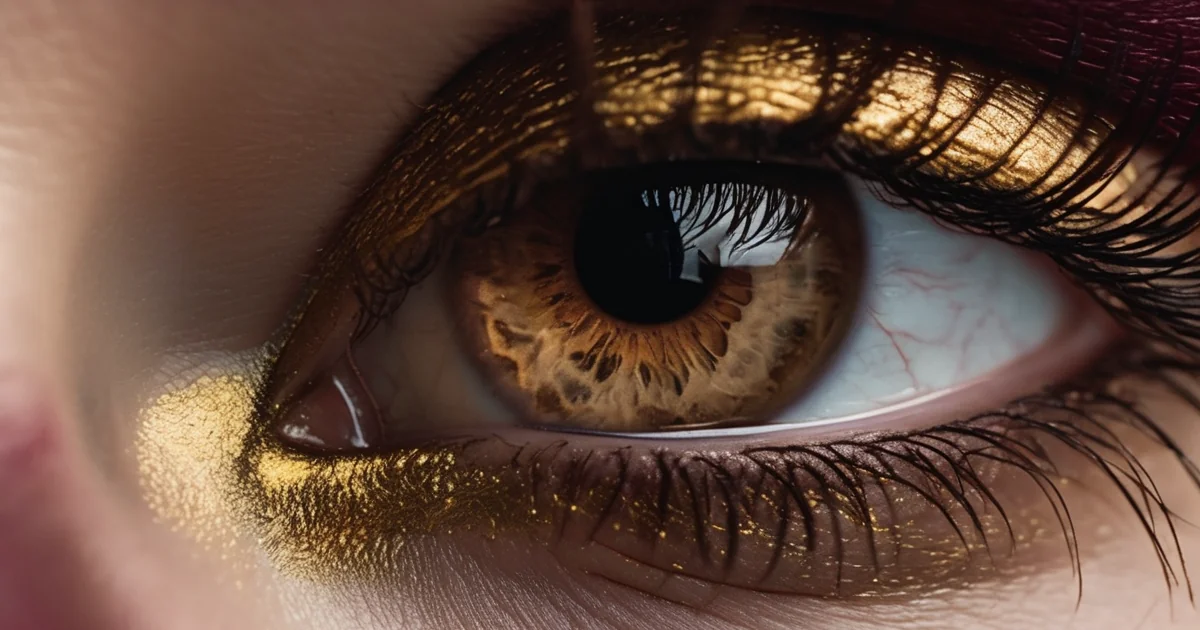
Pillar 2: Eye Contact — The Most Powerful Signal
Of all non-verbal behaviors, eye contact is among the most researched and most impactful in attraction and social bonding.
The neuroscience of eye contact:
Mutual gaze activates the medial prefrontal cortex — a region associated with self-reflection and social cognition. Direct eye contact also triggers oxytocin release and increases mutual liking. A 1989 study by Arthur Aron found that mutual gaze sustained for two minutes significantly increased feelings of affection between strangers — an effect now replicated multiple times.
The confidence signal:
People who maintain confident eye contact are consistently rated as more intelligent, more trustworthy, more competent, and more attractive. People who avoid eye contact or break it too quickly are rated as anxious, dishonest, or disinterested.
What the research recommends:
- Maintain eye contact roughly 60–70% of the time while someone is speaking to you, and 70–80% while you are speaking
- Break contact by glancing to the side rather than down (downward breaks signal submission; sideways breaks signal thought)
- During romantic or flirtatious interaction, a slightly extended hold — just past the point where both people are about to look away — creates a spark of tension and interest
- The "soft gaze": in attraction contexts, slightly softening the muscles around the eyes (rather than staring intensely) is more inviting and less threatening
Common mistakes:
- Staring without blinking (intimidating, not attractive)
- Looking at a phone during conversation (a profound signal of disrespect)
- Looking away too quickly when a stranger meets your gaze (communicates shame or anxiety)
- Breaking eye contact downward consistently (signals deference)
For a deeper exploration of eye contact in specifically romantic contexts, read our guide on eye contact attraction.
Pillar 3: Facial Expressions and the Smile
The research on smiling:
A genuine smile — technically a Duchenne smile, involving both the zygomatic major muscle (corners of the mouth) and the orbicularis oculi muscle (eyes) — is one of the most universally attractive facial expressions across cultures.
Studies by psychologist Paul Ekman and others have found that:
- Genuinely smiling people are rated as more attractive, more intelligent, and more trustworthy
- Fake smiles (mouth-only) are detectable subconsciously and often produce neutral or negative responses
- People who smile more are approached more often in social settings
How to develop a more natural, genuine smile:
You can't force a Duchenne smile — by definition, it's involuntary. What you can do is:
- Think genuinely warm thoughts about the person you're engaging with
- Find something authentically interesting or likable about every person you interact with
- Practice not suppressing the small upward movements of genuine amusement — many people have learned to mask genuine expression for various cultural or personal reasons
Facial muscle relaxation:
Many people hold chronic tension in the jaw, forehead, and around the eyes — creating a resting expression that reads as stern, stressed, or closed. Simple practices:
- Jaw release: Open mouth wide, then relax completely. Repeat 5x.
- Brow release: Raise eyebrows slightly, then consciously relax all tension in the forehead
- Eye softening: Consciously reduce the squint that comes with habitual focus
A relaxed face at rest appears more open, approachable, and warm — dramatically changing how strangers perceive you before any interaction begins.
Pillar 4: Movement, Pace, and Spatial Behavior
How you move matters enormously:
Nervous, rushed, or erratic movement communicates anxiety and low status. Slow, deliberate, intentional movement communicates confidence, ease, and high status.
This is instinctive: humans (like most social animals) associate slow, unhurried movement with individuals who feel no threat — because they have no reason to. High-status individuals throughout evolution did not rush.
The confident movement principles:
- Move with purpose: Know where you're going and walk at a measured, unhurried pace. Avoid darting, shuffling, or stopping without reason.
- Occupy your space: When stationary, plant your feet. Don't constantly adjust, shift, or fidget — these are anxiety micro-signals.
- Touch gestures: Use hand gestures that are open and away from the body (expansive gestures signal confidence); keep them natural and matched to speech rhythm. Avoid self-touching gestures (touching your face, neck, or arms) — these are self-soothing behaviors that signal stress.
- Entering a room: Pause briefly at the threshold before entering. Take in the environment before moving. This single habit communicates extraordinary presence. Most people rush into rooms head-down, which signals anxiety and invisibility.
Proxemics — The use of space:
Edward Hall's research on proxemics identified distinct spatial zones in social interaction:
- Intimate zone (0–18 inches): Reserved for romantic partners and very close friends
- Personal zone (18 inches – 4 feet): Friends and close acquaintances
- Social zone (4–12 feet): Acquaintances and professional interactions
- Public zone (12+ feet): Strangers and public speaking contexts
Confident people naturally position themselves within appropriate zones without anxiety. Insecure people often hover at the outer edge of any zone (maintaining excessive distance) or violate zones through obliviousness. Skillful zone navigation — moving closer during a conversation at a natural moment, reading comfort signals — is a hallmark of socially calibrated people.
12 Specific Body Language Signals That Attract
Research from multiple studies on non-verbal attraction has identified these specific behaviors as consistently attractive:
-
Mirroring: Subtly matching the posture and movement of someone you're talking to. Mirroring is an automatic sign of rapport and is detected subconsciously as a signal of connection and liking.
-
Forward lean: Leaning slightly toward someone during conversation signals genuine interest and engagement. Even 5–10 degrees of lean makes a measurable difference in how interested you appear.
-
Open palm gestures: Open, upward-facing palm gestures during speech communicate honesty and openness. Closed fists or pointing fingers create defensiveness in listeners.
-
Head tilt: A slight head tilt during listening signals engagement and thoughtfulness. It's a non-threatening gesture that communicates "I'm taking in what you're saying."
-
Slowed blink rate: Anxious people blink more frequently. Confident, relaxed people blink less. A slower, more deliberate blink rate communicates ease and control.
-
Feet pointing toward: Unconsciously, we orient our feet toward what interests us and away from what we want to escape. Feet pointed toward someone signal genuine interest; feet angled away signal a desire to leave.
-
Not fidgeting: The absence of fidgeting (touching face, adjusting clothes, tapping, bouncing knee) is more powerful than most positive signals. Stillness under pressure is a profound confidence signal.
-
Purposeful touch: Contextually appropriate light touch (shoulder, upper arm) during conversation creates warmth and increases liking. This must be calibrated to context, relationship, and the other person's signals.
-
Matching energy without mirroring anxiety: In conversations where the other person is anxious or scattered, maintaining your own calm, grounded energy (rather than unconsciously matching their anxiety) communicates secure presence.
-
Facing fully: Turning your full body toward someone rather than just your head communicates complete attention and respect. Half-turned positioning is subliminally dismissive.
-
Reducing self-touch: Covering your mouth, touching your neck, or wrapping arms around your own body are self-soothing gestures triggered by anxiety. Becoming aware of and reducing these signals dramatically upgrades your perceived confidence.
-
Holding space comfortably: Being comfortable in silence — not filling every pause with filler words or nervous energy — is one of the rarest and most attractive social qualities. Silence doesn't need to be "filled."
Body Language Signals of Attraction (Reading Others)
Understanding attraction signals in others lets you calibrate your approach and respond to genuine interest:
| Signal | What It Means |
|---|---|
| Prolonged eye contact with dilated pupils | High attraction and interest |
| Preening (touching hair, adjusting clothing) | Subconscious preparation to be attractive |
| Torso and feet oriented toward you | Genuine attention and interest |
| Sustained smiling that reaches the eyes | Genuine warmth and enjoyment |
| Mirroring your posture or gestures | Unconscious rapport and connection |
| Leaning into your personal space | Desire for closeness |
| Light incidental touch | Seeking physical contact and connection |
| Breaking eye contact downward (not sideways) | Shyness or submissive attraction signal |
| Licking lips or touching mouth | Heightened physical awareness |
| Angled feet or half-turned body | Ambivalence or desire to exit |
For the complete breakdown, see our post on 12 body language signs someone is attracted to you.
The Voice: Paralanguage and Attraction
While technically separate from body language, vocal qualities are inseparably linked to physical presence and are among the most powerful attraction signals.
Key vocal qualities associated with attraction:
- Pitch: Lower fundamental frequency is associated with dominance and attractiveness in both men and women (though optimal pitch varies by sex and context)
- Resonance: A voice that resonates in the chest rather than the nasal cavity or throat projects more warmth and authority
- Pace: Slower speech pace (with intentional pauses) communicates confidence; fast, breathless speech communicates anxiety
- Vocal variety: Monotone voices are perceived as boring and disengaged; natural pitch variation signals emotional intelligence and engagement
- Volume: Appropriately projected (not shouted or whispered) speech that doesn't fade at the ends of sentences signals confidence
Simple vocal exercises:
- Read aloud for 10 minutes daily — this improves articulation, projection, and your awareness of your own vocal patterns
- Record yourself in conversation and listen back — most people are shocked by their actual vocal patterns vs. their perceived ones
- Practice speaking from the chest (diaphragm) rather than the throat — this creates natural resonance
For a complete guide, read our post on how to develop a deep, resonant voice.
Overcoming Social Anxiety's Impact on Body Language
Social anxiety produces a predictable set of body language patterns that actively undermine attractiveness: averted gaze, hunched posture, closed-off gestures, hesitant movement, excessive self-touching.
The paradox: the behaviors anxiety produces to protect us (making ourselves smaller, avoiding attention) make us less attractive and reduce positive social feedback — which increases anxiety in a self-reinforcing loop.
Breaking the cycle:
The body language practices in this guide, practiced consistently in low-stakes situations, create new neurological associations. This is the core of cognitive-behavioral therapy's behavioral activation approach: change the behavior, and the cognition follows.
Start with easy wins:
- Posture practice in private (bedroom mirror)
- Eye contact with cashiers and service staff
- Walking pace awareness during solo walks
- Voice awareness during phone calls
Build progressively. Each small success rewires the brain's prediction of what social situations produce — reducing baseline anxiety and making confident body language increasingly natural.
If social anxiety is significantly impacting your life, speaking with a therapist can accelerate this process dramatically. BetterHelp offers accessible online therapy with licensed professionals, including specialists in social anxiety. (Affiliate link.)
The 30-Day Body Language Transformation Plan
| Week | Focus | Daily Practice |
|---|---|---|
| 1 | Posture awareness | 3x daily posture checks; mirror assessment morning and night |
| 2 | Eye contact | Practice 70% eye contact in every conversation; 5-second holds with strangers |
| 3 | Movement and pace | Walk 10% slower; pause before entering rooms; eliminate fidgeting |
| 4 | Integration | Combine all three; record a 2-minute video of yourself talking and evaluate |
Frequently Asked Questions
Q: Can body language be faked?
Short-term, yes — but sustained faking is exhausting and usually detectable through incongruence between different signals. The goal isn't to fake confident body language, but to practice it until it becomes natural. The best athletes practice movements until they're automatic. Body language works the same way.
Q: Does body language work the same across cultures?
Core signals have strong cross-cultural consistency (smiling, eye contact, open postures). Some signals are more culturally variable — appropriate eye contact duration, proxemics, and touch norms differ significantly between cultures. When in cross-cultural interactions, err on the side of slightly more distance and less touch until you've calibrated to the other person's norms.
Q: How quickly can I improve my body language?
Awareness changes immediately. Conscious practice creates noticeable results within 2–4 weeks. Automatization — where new patterns feel effortless and natural — typically takes 60–90 days of consistent practice.
Q: Can body language training fix deep confidence issues?
Body language practice produces genuine improvements in confidence through the somatic feedback loop (your posture affects your neurochemistry, not just how others see you). For deeply rooted confidence issues tied to trauma, attachment wounds, or chronic anxiety, therapy provides the most comprehensive and lasting results.
Q: What's the single highest-impact body language change?
Posture. It affects how you're perceived more than any other single variable, it affects your own neurochemistry, and it's visible from 50 feet away — before any other signal registers.
Conclusion: Your Body Speaks Whether You Want It To
You are communicating non-stop. Every posture adjustment, every micro-expression, every spatial choice — all of it is being read, below the level of conscious awareness, by everyone around you.
The question isn't whether your body language is sending signals. It's whether those signals are serving you.
The science is clear: attractive body language is not a gift, it's a skill. And skills are learnable.
Download our free "Body Language Cheat Sheet: 21 Attraction Signals Decoded" — a one-page reference guide to the most impactful non-verbal signals, what they mean, and how to develop them.
→ Download Free: Body Language Cheat Sheet
References: Ambady N, Rosenthal R. (1992). Thin slices of expressive behavior as predictors of interpersonal consequences. Psychological Bulletin. | Aron A, et al. (1997). The experimental generation of interpersonal closeness. Personality and Social Psychology Bulletin. | Cuddy AJC, et al. (2012). Power posing: brief nonverbal displays affect neuroendocrine levels and risk tolerance. Psychological Science. | Hall ET. (1966). The Hidden Dimension.



0 Comments
Leave a Comment
Your email won't be published. Comments are moderated.
No comments yet. Be the first to share your thoughts!